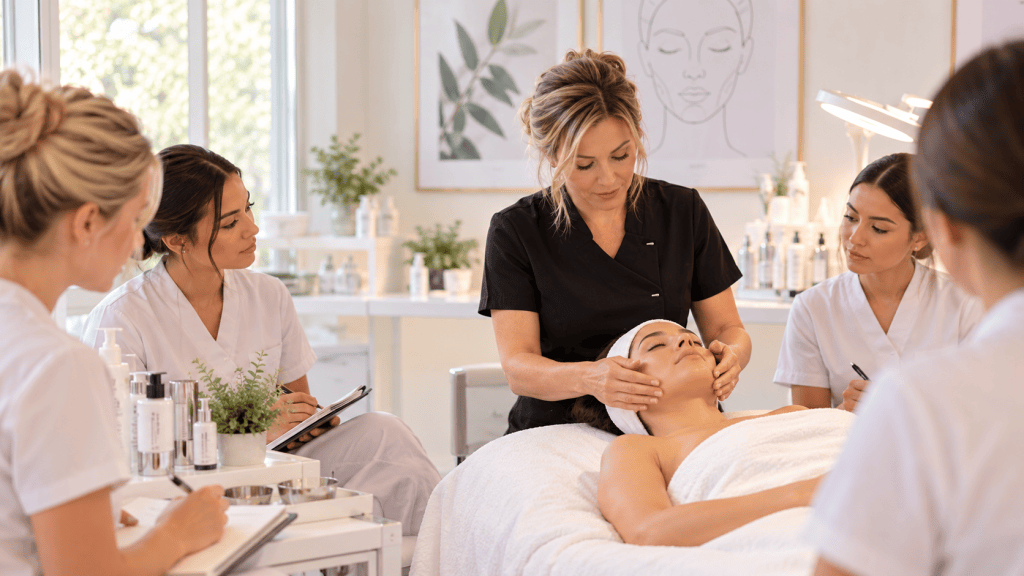
One thing I have learned throughout my PIDP journey is that becoming an effective instructor is an ongoing process. When I first started teaching Medical Esthetics, I brought years of industry experience and professional knowledge into the classroom. However, I quickly realized that knowing how to perform a treatment and knowing how to teach someone else to perform it are two very different skills.
Throughout my PIDP courses, I have been introduced to new teaching strategies, technology, and different ways of supporting adult learners. These experiences have encouraged me to reflect on my own teaching and recognize three areas where I would like to continue growing.
Adapting to Different Learning Needs
One competency I want to continue developing is my ability to adapt instruction to meet the different needs of my students. In my practical classes, I see how differently students learn. Some are confident and ready to jump right in, while others need additional demonstrations, explanations, or more time to practice.
Brookfield (2015) reminds us that what helps one student learn may not necessarily work for another. This really connects with my experiences in the classroom. I want to continue using differentiated instruction and scaffolding to challenge students who are progressing quickly while providing additional support to those who need it.
Using Technology to Enhance Learning
Another area I have really enjoyed exploring is technology in education. Before starting my PIDP, most of my experience with teaching technology was limited to PowerPoint presentations.
Creating my interactive Genially skin analysis lesson was a completely new experience for me, and I loved discovering how engaging multimedia can be. I have also been exploring how artificial intelligence can support teaching and learning through additional explanations, practice questions, and interactive activities.
Moving forward, I want to continue building my confidence with these tools and finding meaningful ways to incorporate them into my lessons while maintaining the importance of hands-on learning.
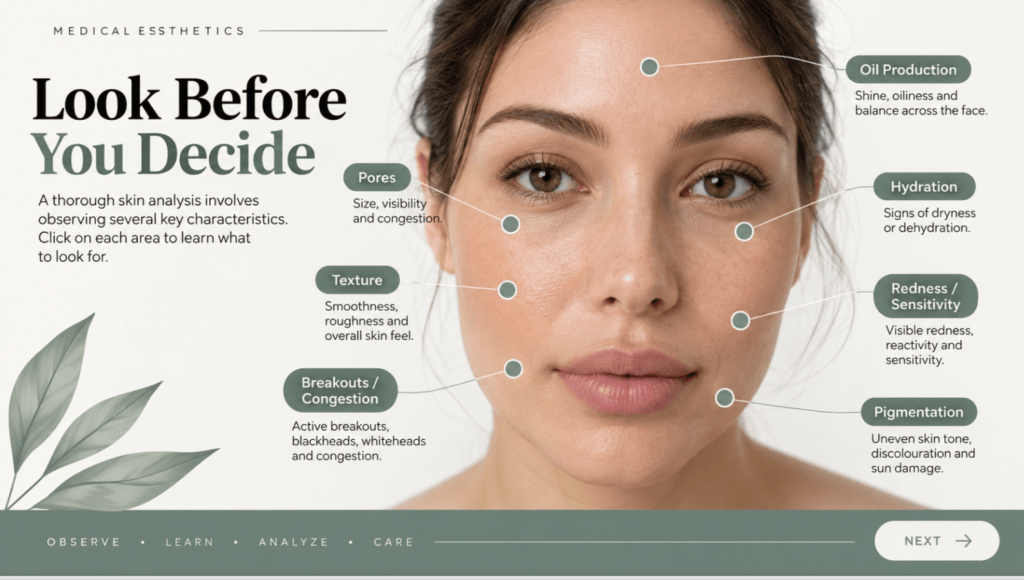
An example of my interactive Skin Analysis lesson created using Genially.
Explore My Interactive Skin Analysis Lesson
Reflecting on My Teaching Practice
The third competency I want to continue developing is reflective practice. Reading Chapter 2 of Brookfield’s The Skillful Teacher helped me understand the importance of looking at our teaching through different perspectives, including student feedback, colleagues, educational research, and our own experiences as learners (Brookfield, 2015).
This really stood out to me because it’s easy to assume a lesson went well based on our own observations. However, students may have experienced that lesson very differently. I want to become more intentional about gathering feedback and using it to reflect on what worked and what I could improve.
How Will I Track My Progress?
To track my professional growth, I would like to begin keeping a short reflection journal after teaching. I can record what went well, where students struggled, and what changes I might make for future lessons.
I also want to gather anonymous student feedback, ask colleagues for their perspectives, and observe how confidently students perform practical treatments. These strategies will help me identify whether the changes I’m making are actually supporting my students.
One of the biggest lessons I have taken away from my PIDP experience is that professional development doesn’t end when we complete a course or earn a certificate. There will always be something new to learn, and I think that’s what makes teaching such a rewarding profession.
Reference
Brookfield, S. D. (2015). The skillful teacher: On technique, trust, and responsiveness in the classroom (3rd ed.). Jossey-Bass.


Leave a Reply