Reading Chapter 17, “Responding to Students’ Resistance to Learning,” in Brookfield’s The Skillful Teacher really made me think about how important it is to understand why a student may be resistant before deciding how to respond.
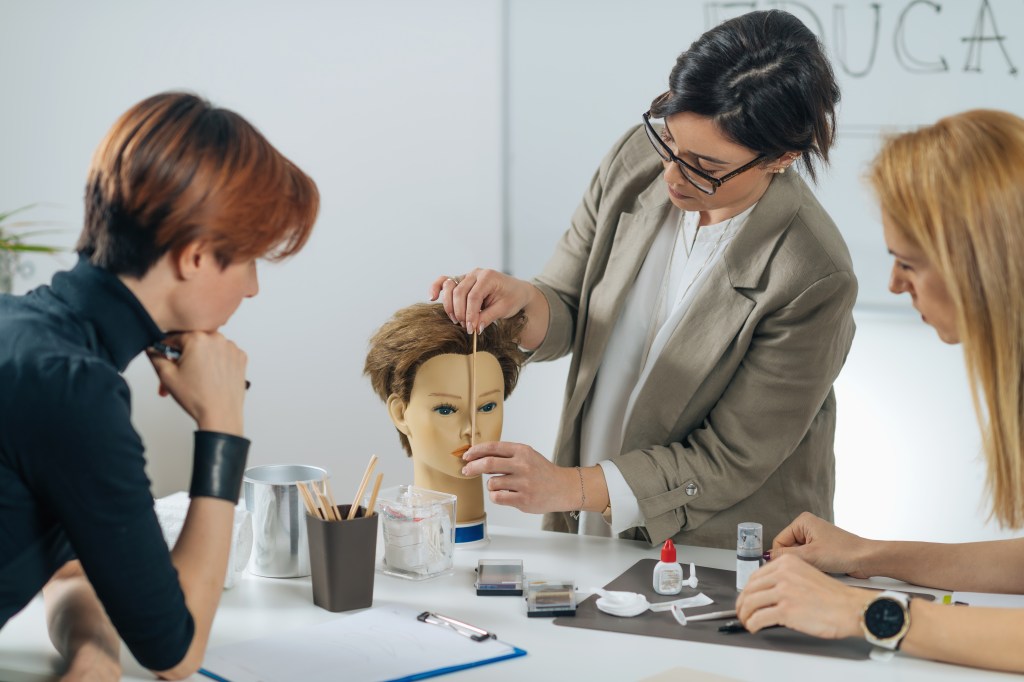
One experience that came to mind happened during a guest speaker session in my Medical Esthetics class. We spent the morning learning theory, and in the afternoon, students were partnered up to perform and receive a practical treatment for their required credits.
I noticed one student seemed uncomfortable and was unwilling to receive the treatment. Her partner became frustrated because she was worried she wouldn’t be able to complete the practical requirements.
Rather than making assumptions about the student’s behavior, I asked her to step into the hallway for a private conversation. During our discussion, she shared a personal health concern that meant receiving the treatment wasn’t appropriate for her.
This completely changed my understanding of the situation. What initially appeared to be resistance was actually a legitimate concern that the student wasn’t comfortable discussing in front of her classmates.
Understanding Before Responding
Brookfield (2015) reminds us that resistance isn’t always a sign of laziness or a lack of motivation. Sometimes students have very reasonable concerns, and it’s important to understand what’s happening before reacting.
Taking students aside for a private conversation is something I’ve always felt comfortable doing as an instructor. I think it’s important to give students an opportunity to express their concerns without feeling uncomfortable or embarrassed in front of their classmates.
In this situation, I needed to respect the student’s privacy while also finding a fair solution for her partner and the rest of the class.
I reorganized the practical groups so the student could still perform the treatment, while her partner could complete the required practical work with another group.
Some students questioned whether this adjustment was fair, but I simply explained that the student was excused from receiving the treatment that day. I didn’t feel it was necessary to explain further, as doing so could have compromised her privacy.
Looking back, I feel confident in how I handled the situation. It reminded me that as instructors, we sometimes need to make decisions that not everyone will understand. What’s important is that those decisions are thoughtful, respectful, and made with our students’ best interests in mind.
Building Confidence Through Small Successes

Another point that stood out to me was Brookfield’s discussion about helping students experience success through small accomplishments.
In practical skincare classes, I see how important this can be. Some students feel overwhelmed when learning a new treatment, especially when they’re expected to perform several steps independently.
I’ve learned that breaking treatments into smaller, manageable steps, recognizing their progress, and allowing additional practice time can make a real difference in their confidence.
Sometimes a student simply needs to experience a little success before they’re ready to take on the next challenge.
What I’ll Take Away
This chapter reminded me that responding to resistance requires patience, understanding, and sometimes flexibility. It also reinforced that students can have valid reasons for hesitating, and those reasons aren’t always obvious to us.
Moving forward, I want to continue looking beyond what I see on the surface, listening to my students, and reflecting on whether my expectations or instructional approaches may be contributing to their resistance.
For me, one of the biggest lessons from Brookfield’s chapter is that before we try to change a student’s behavior, we need to understand what’s behind it.
Reference
Brookfield, S. D. (2015). The skillful teacher: On technique, trust, and responsiveness in the classroom (3rd ed.). Jossey-Bass.


Leave a Reply